
Boutique and independent hotels compete on a distinct identity, and that identity lives largely in the FF&E (furniture, fixtures, and equipment). A guest chooses a boutique property precisely because it does not look like a chain, and the furniture, lighting, and finishes carry most of that differentiation. For owners and developers, this is the opportunity and the risk of boutique FF&E in one sentence: the absence of a brand prototype means more creative freedom and less protection. Nobody hands the owner a proven specification, a tested durability standard, or a fixed budget. The owner and the design team build all of it.
This playbook covers what changes when FF&E is specified for an independent or lifestyle property rather than a flagged one: the loss of the brand safety net, the shift toward custom and small-batch specification, the budget discipline that custom demands, and the procurement realities that catch first-time boutique developers.
No brand standard means no safety net
On a franchised hotel, the brand supplies a prototype, a property improvement plan (PIP), which is the scope of upgrades a brand requires, and brand standards that specify approved products, durability thresholds, and often approved vendors. Those standards are constraints, but they are also accumulated protection: they exist because a chain has learned, across thousands of rooms, what survives commercial use and what does not. The hotel brand standards and FF&E relationship is essentially a library of solved problems.
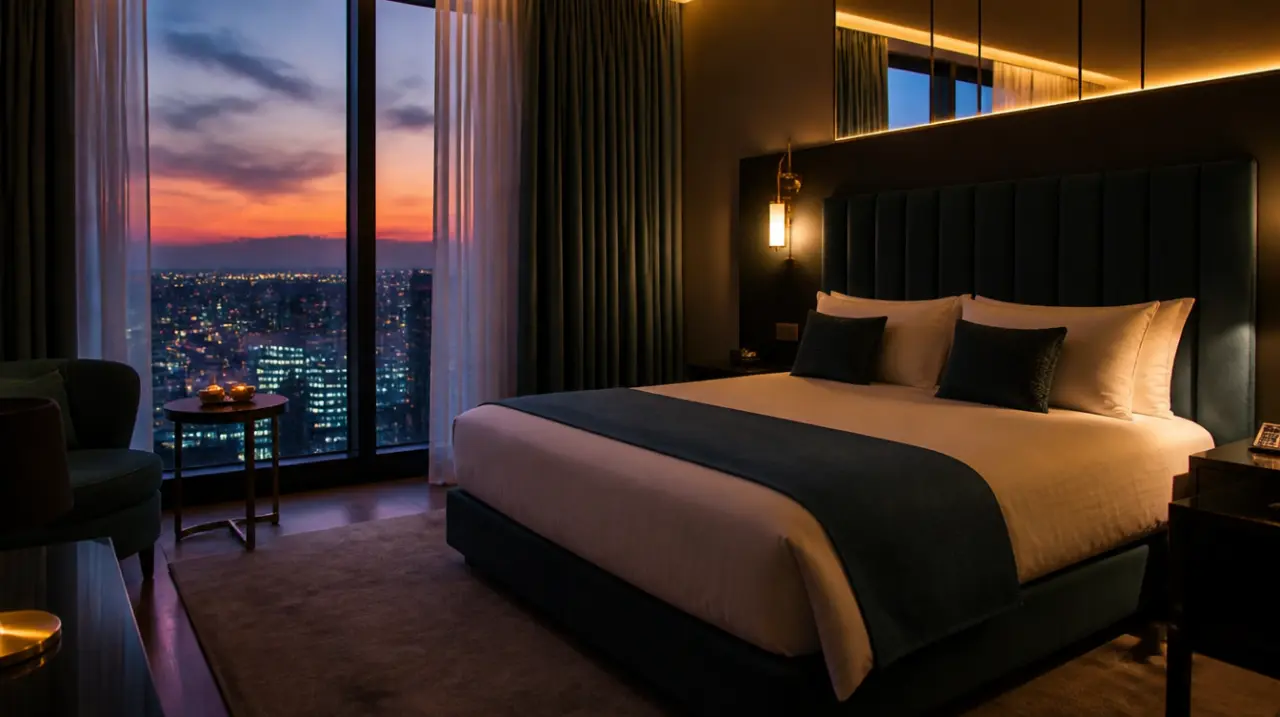
A boutique owner forgoes that library. Every specification is an original decision, and the consequences of a wrong one, a fabric that abrades, a case good that fails in humidity, a chair that wobbles after a season, land on the owner rather than being caught by a brand review. This is not an argument against boutique development. It is the reason a boutique owner must contract a genuinely experienced hospitality design and procurement team, because that team’s judgment substitutes for the standards the owner has chosen not to have. See working with a hospitality designer for how to select and scope that team.
Custom and small-batch specification
Boutique FF&E leans heavily on custom and small-batch pieces: bespoke case goods, one-off reception and bar millwork, locally sourced or artisan elements, and signature lighting. This is what creates the differentiated look, and it changes the procurement profile in three ways owners must plan for.
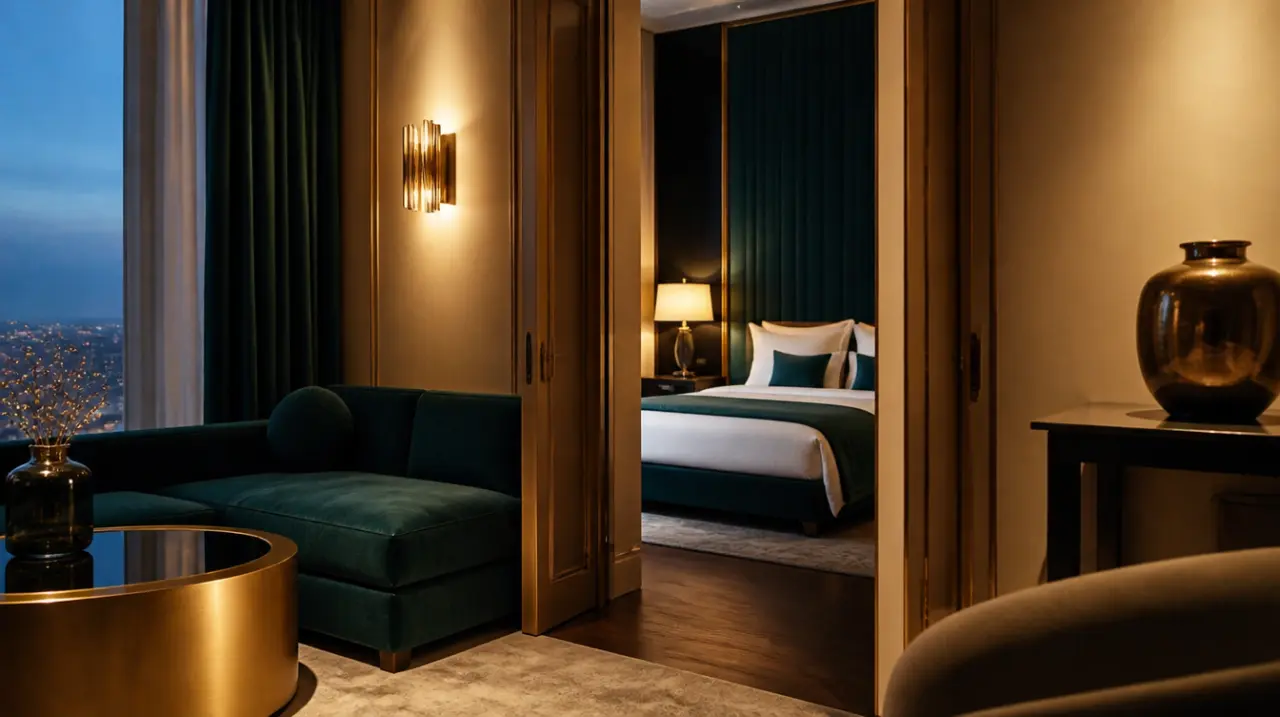
First, lead times lengthen. Custom fabrication and small production runs do not move at catalog speed, and a boutique FF&E schedule must allow for it. Second, the specification burden rises. Custom items have no catalog number to fall back on, so the spec book must fully describe dimensions, materials, finishes, and performance, or the factory will interpret and the result will drift. Third, the durability question moves entirely onto the owner and designer, because a custom piece has no history. Contract-grade construction and performance-rated fabrics are not the enemy of a boutique aesthetic; a well-run boutique specification achieves a residential, characterful look using materials that meet commercial abrasion, cleanability, and fire standards. The design skill is hiding the contract-grade reality inside the bespoke appearance.
Budgeting when there is no prototype cost
The hardest part of boutique FF&E for owners is the budget, because there is no prototype cost per key to anchor to. A chain conversion has a known number; an original boutique concept does not until it is specified. The International Society of Hospitality Consultants calls cost per key the most dangerous figure in hospitality capital planning because it is quoted without defining what it includes, and that danger is sharpest on a boutique project where nothing is standardized.
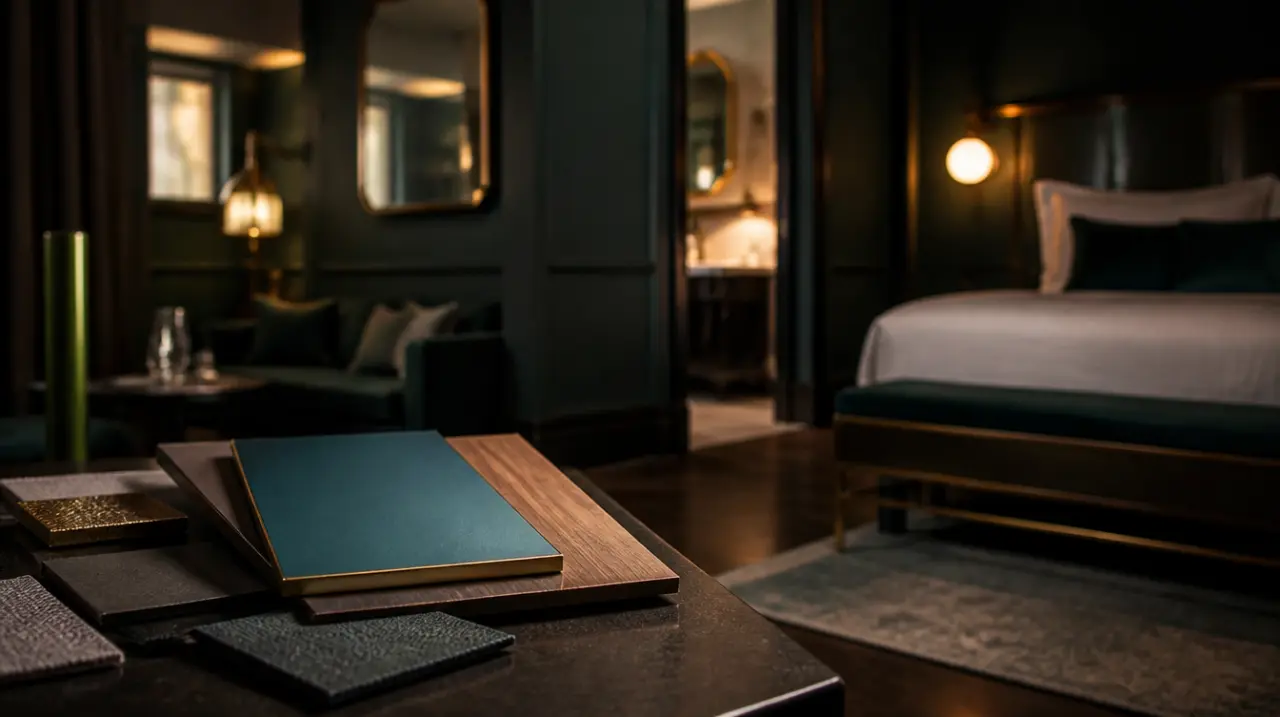
Owners protect themselves with definition and sequencing. Define the cost per key explicitly: guest rooms only or public space included, FF&E only or soft costs and OS&E (operating supplies and equipment) included, freight and installation in or out. Then build the budget bottom-up from the actual specified package during design development rather than top-down from a borrowed number, because a borrowed number will not fit an original concept. And require a costed FF&E package sign-off at the end of design development, while a custom detail is still a design conversation rather than a change order. The hotel interior design process sets out where each of those gates falls.
Procurement realities that catch first-time boutique developers
Several procurement facts surprise owners doing their first independent property. Custom orders require deposits and carry limited recourse if the owner changes direction mid-production, so decisions must be locked before purchase orders are released. The model room is more important on a boutique project, not less, because there is no prototype to prove the specification: building one room with the real specified furniture at production pricing, and living with it, is the cheapest way to catch a cost, quality, or durability failure before it is multiplied across every key. The ISHC specifically recommends validating with production pricing and real materials rather than samples, and that guidance is doctrine for custom work.
Owners should also plan the responsibilities matrix carefully, because on a boutique project the tidy brand division of labor does not exist. Who specifies, who purchases, who owns lighting and window treatments, who coordinates artisan and local vendors, and where FF&E ends and OS&E begins all have to be assigned explicitly, since no industry-standard definitions settle these lines. The categories that matrix has to allocate are set out in what FF&E is.
Sourcing custom without a brand vendor list
A flagged hotel inherits a brand’s approved vendor list, a roster of manufacturers already vetted for quality, capacity, and compliance. A boutique owner builds that roster from scratch, and vendor selection becomes a project risk in its own right rather than a solved question. The concentration of value in a few custom pieces means a single underperforming fabricator can hold up an opening, so owners and their procurement team should qualify vendors on capacity and financial stability, not just on the beauty of a sample. Splitting a bespoke package across artisan and small-batch makers multiplies coordination and freight complexity, and that coordination is a real cost the budget must carry.
Owners should also resist the temptation to over-customize. Not every item needs to be bespoke; the differentiated identity usually comes from a focused set of signature pieces, the lobby seating, the reception, the guest-room headboard and lighting, while the balance of the package can be specified from contract-grade lines that deliver reliability and lead-time certainty. A disciplined boutique specification spends its custom budget where guests notice and its standard budget where they do not, rather than spreading custom thinly across everything and inheriting the lead-time and durability risk of the whole package.
The boutique payoff, run with discipline
Boutique FF&E is where an independent hotel earns its rate premium and its distinct guest loyalty, and it is genuinely more creatively rewarding than executing a brand prototype. But the freedom is inseparable from the exposure. The owner who succeeds treats the missing brand standard as a responsibility to be actively managed, not a constraint happily removed: an experienced design and procurement team, a bottom-up budget defined and defended line by line, custom lead times respected in the schedule, contract-grade performance hidden inside the bespoke look, and a real model room before the full order ships. Run that way, boutique FF&E delivers the differentiated asset the concept promised without the durability and budget failures that ambush the unprepared.